
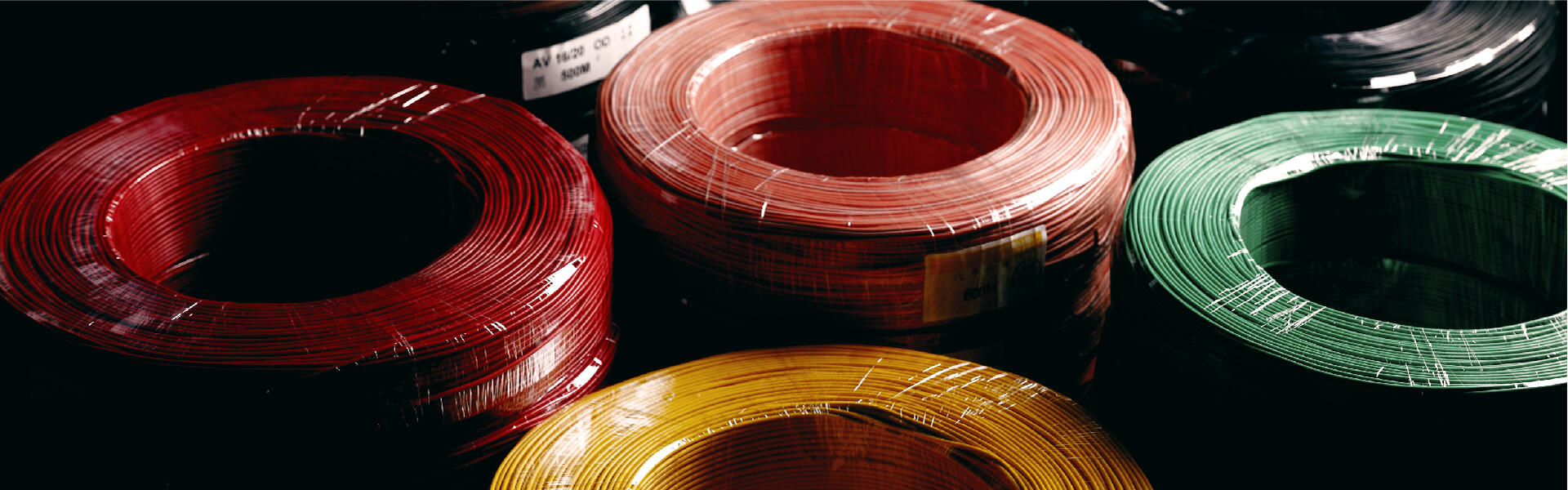
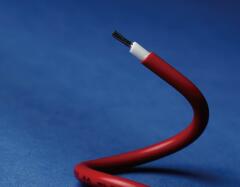
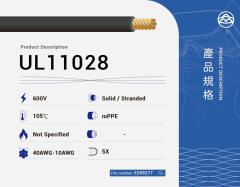
UL11028 mPPE 電線
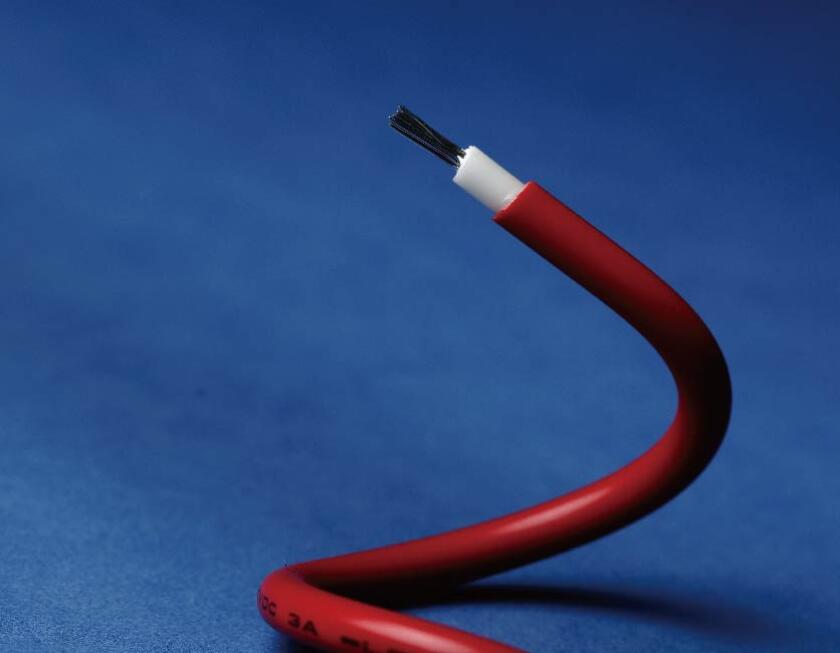
UL11028 mPPE 電線,採用鍍錫銅導體,通過 UL 認可,額定 105°C / 600V。具備輕量化、無鹵及阻燃特性,適用於電源供應器、自動化控制盤及控制單元。
UL11028 綠色環保電子線|105°C / 600V mPPE 高壓耐熱連接線
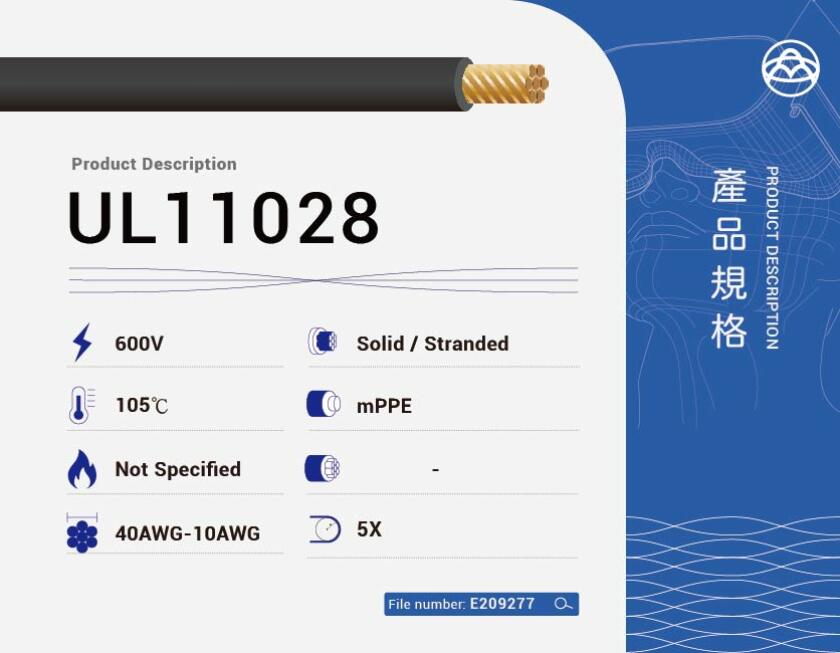
UL11028 是一款通過 UL 認證的高性能環保型連接線。採用先進的 mPPE (Modified Polyphenylene Ether) 絕緣技術,具備 105°C 的耐溫等級與 600V 的高額定電壓。其設計旨在為高功率電源設備、自動化控制盤及精密電子系統提供更安全、更輕量且完全無鹵素的內部配線解決方案。
核心技術規格
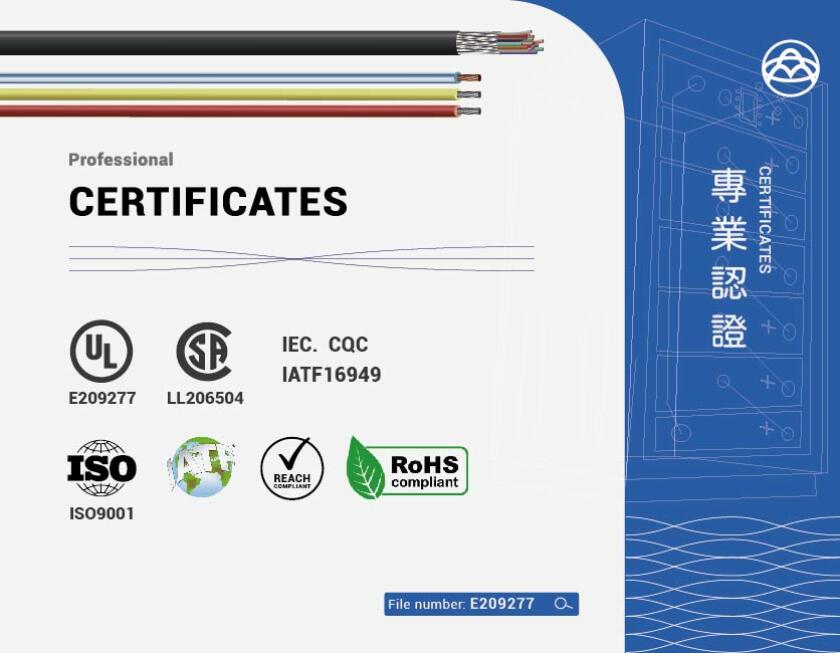
認證安規: UL Style 11028 / cUL 認證
額定電壓: 600V
工作溫度: -40°C to +105°C
絕緣材質: 改性聚苯醚 (mPPE - Modified Polyphenylene Ether)
導體材質: 鍍錫銅絞線 (Tinned Stranded Copper)
燃燒等級: 通過 UL VW-1 垂直燃燒測試與水平燃燒測試
環境標準: 低煙無鹵 (LSZH)、RoHS、REACH
為什麼選擇 UL11028 mPPE 電子線?
卓越的高壓與耐熱表現: 具備 600V 高額定電壓與 105°C 耐溫能力,能穩定運行於高功率電源模組及熱能累積較明顯的密閉機櫃內部,安全性優於普通環保線材。
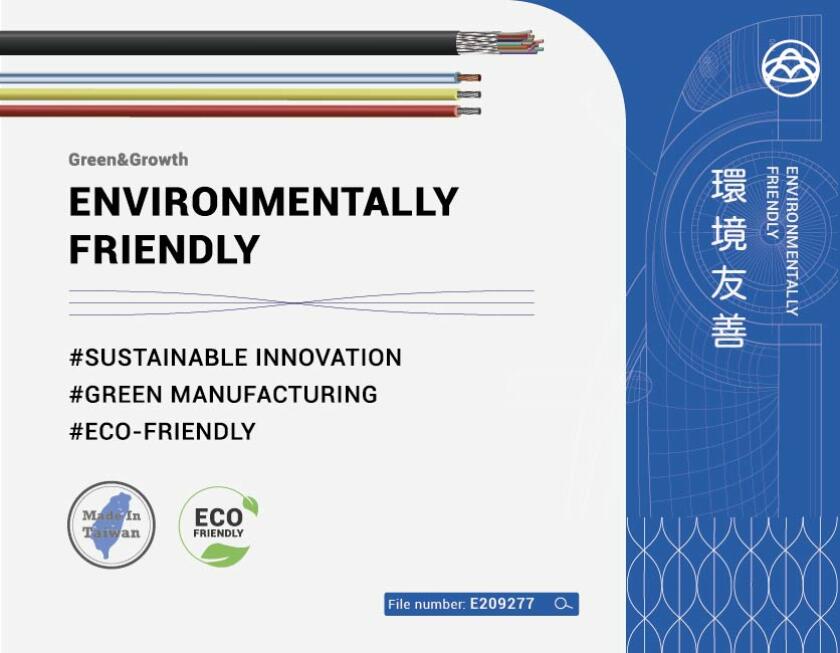
環保無鹵素 (100% Halogen-Free): 絕緣材質完全不含鹵素、鄰苯二甲酸酯及重金屬。符合 RoHS 2.0 與 REACH 規範,燃燒時發煙量極低且不釋放腐蝕性氣體,是企業落實 ESG 永續採購 的最佳選擇。
極致輕量化與空間填充: mPPE 具備極佳的介電強度,能以更薄的絕緣壁厚度達到 600V 的絕緣要求。其外徑(OD)與重量均優於傳統的 PVC 線材(如 UL1015),有助於減少線束體積並降低運輸能耗。
強韌的物理防護: 儘管結構輕薄,但 mPPE 提供優異的抗張強度、抗切割與耐磨損性能,確保在複雜的工業組裝環境下,線皮不易受損。
應用領域
高壓電源供應器: 應用於伺服器電源、工業開關電源(SPS)及不斷電系統(UPS)的內部配線。
自動化控制盤與電力櫃: 針對空間要求緊湊、且需要高壓保護的 PLC 控制迴路與配電盤。
電動車 (EV) 充放電系統: 應用於車載充電器(OBC)及直流轉換模組的低壓控制訊號傳輸。
通訊與數據中心: 5G 核心設備、高階交換機及網路儲存系統的高密度佈線。
出口型工業設備: 協助產品符合歐、美、日市場對高標環保與 ESG 規範的准入要求。
外部技術參考資料 :
mPPE 絕緣線材:驅動 ESG 轉型的永續解決方案
採用 mPPE 技術的線材,在提升電氣性能的同時,協助企業達成永續發展目標:
環境領先 (E): 無鹵素材料且符合 RoHS/REACH,從源頭減少有害廢棄物。
資源優化 (E): 輕量化設計降低材料使用量,並提升系統能源效率。
合規與價值 (G): 透過更安全的材料與負責任的生產,強化投資人對企業永續標準的信任。
相關產品

UL10981 mPPE-PE 絕緣電線
UL10981 配線用電線採用雙層 mPPE/PE 絕緣設計,通過 UL 認證,耐溫等級為 80°C/300V。具備環保、輕量且可靠的配線特性,適用於各類電子與電氣設備應用。
UL11364 mPPE 電線
UL11364 電線,採用 mPPE 絕緣,通過 UL 認可,額定 105°C / 600V。具備輕量化、耐用性與阻燃性能,適用於控制面板、家電及機械設備配線。
UL11459 mPPE 電線
UL11459 電線,採用無鹵 mPPE 絕緣,通過 UL 認可,額定 80°C / 300V。具備輕量化、環保特性與可靠性能,適用於電子設備的內部配線。
UL11460 mPPE 電線
UL11460 電線,採用無鹵 mPPE 絕緣,通過 UL 認可,額定 80°C / 300V。具備環保特性、輕量化設計與阻燃性能,適用於家電、控制櫃及訊號配線。